Organize My Life: Thoughtful Approaches & Systems
Discover thoughtful approaches to organize your life with effective personal development systems that promote clarity, reflection, and follow-through for lasting change.
Aligned Life Planners
9 min read
The question "how do I organize my life" arrives quietly in moments of overwhelm. Perhaps your calendar feels disconnected from your actual priorities, or you find yourself creating endless to-do lists that never quite translate into meaningful progress. Organization isn't about perfection or relentless productivity. It's about creating environments where clarity naturally emerges, where your systems support rather than drain you, and where beauty and function work together to encourage consistent return.
Understanding What It Means to Organize My Life
When we set out to organize my life, we often begin with surface symptoms: the cluttered inbox, the forgotten appointments, the scattered notes. But genuine organization requires a deeper inquiry. What aspects of your life feel fragmented? Where does friction consistently appear in your days?
Organizing your life effectively begins with understanding your unique patterns and needs. Some people thrive with detailed structure. Others need flexible frameworks that adapt to changing energy and circumstances. Neither approach is superior. What matters is alignment between your organizational system and how you actually move through the world.
The Environment You Return To
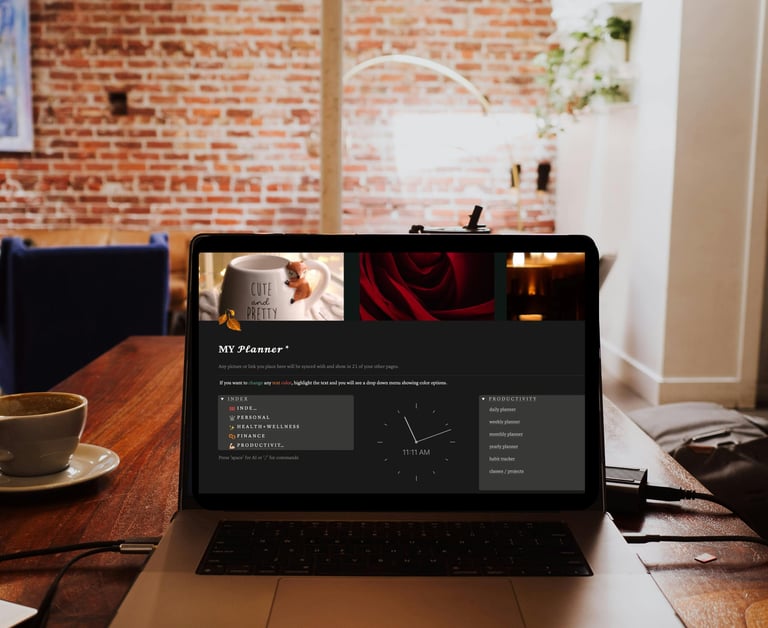
Digital planning spaces function differently than traditional tools. They become environments you return to daily, not merely items you check off a list. The aesthetic quality of these spaces matters more than conventional productivity advice suggests. When a planning system feels visually coherent and thoughtfully designed, resistance to using it diminishes naturally.
Consider how you interact with physical spaces. A well-designed room invites you in. The same principle applies to digital organization. Templates that prioritize both beauty and functionality at Aligned Life Planners create this kind of magnetic environment, one that supports clarity through intentional design choices rather than overwhelming customization requirements.
Building Foundations: Core Areas to Address
The impulse to organize my life often leads to purchasing new tools or creating complex systems. Yet sustainable organization rests on surprisingly simple foundations. These core areas form the infrastructure of an organized life.
Time and Task Management
Your relationship with time shapes everything else. Rather than attempting to schedule every minute, focus on creating rhythms that support your priorities.
Essential time organization practices:
Weekly planning sessions where you review commitments and align them with your energy
Daily capture systems for incoming tasks and ideas
Clear boundaries between focus work and reactive time
Regular audit of how time actually gets spent versus how you intend to spend it
The weekly planning ritual creates a consistent touchpoint for reflection and adjustment. This isn't about rigid control but about maintaining perspective on what truly deserves your attention.
Information and Knowledge Systems
Information overwhelm represents one of the most significant organizational challenges. We encounter more content, ideas, and input daily than previous generations encountered in months. Without thoughtful systems, valuable insights disappear into digital clutter.
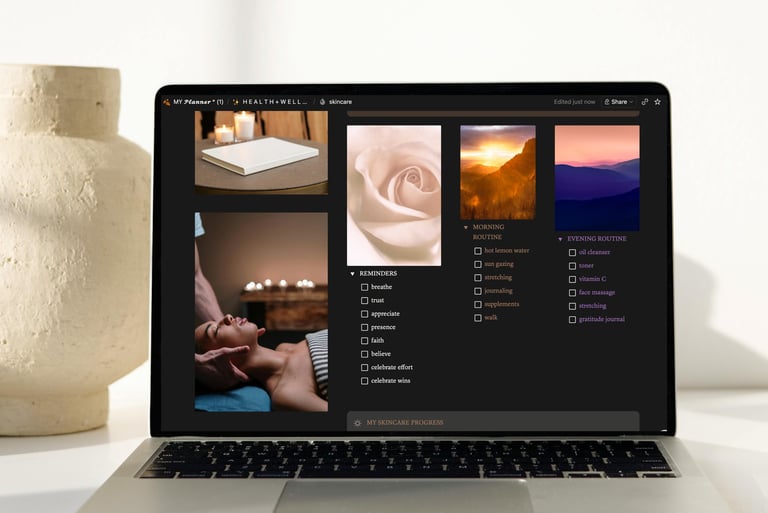
A Notion diary or journal system provides a central location for processing thoughts and ideas rather than scattering them across multiple platforms.
Physical and Digital Spaces
Environmental clarity directly influences mental clarity. This doesn't require minimalism or any particular aesthetic. It requires intentionality about what occupies your space and why.
Questions for spatial organization:
Does this item or file serve my current priorities?
Can I locate what I need within two minutes?
Do my spaces support the activities they're meant to contain?
What friction points consistently appear in my environment?
Creating Systems That Support Self-Discovery
Traditional organization advice focuses on efficiency. But the most meaningful organization efforts create space for understanding yourself more deeply. When you organize my life with intention, patterns emerge that reveal priorities, values, and areas needing attention.
Reflection as Organizational Practice
Journaling practices function as both processing tools and organizational systems. Regular reflection helps you identify what's working, what's creating unnecessary complexity, and where your energy naturally flows.
Monthly reviews create distance from daily details. You begin to see cycles in your energy, productivity, and well-being. This awareness informs better organizational choices. Perhaps you consistently feel overwhelmed by mid-week. That insight might lead to restructuring your weekly commitments rather than simply trying to manage better.
Aligning Organization with Personal Frameworks
Some people find clarity through frameworks like Human Design or astrology. Others prefer values-based planning or goal-setting methodologies. The specific framework matters less than having some lens through which you filter decisions and priorities.
A Human Design journal or astrology journal can help you organize life in accordance with your natural rhythms and tendencies rather than fighting against them. This approach transforms organization from willpower-based to alignment-based.
Practical Implementation Strategies
Understanding organizational principles differs from implementing them sustainably. The gap between knowing what to do and actually doing it represents the real challenge. Expert strategies for organizing your life emphasize starting small and building gradually.
The Curated Template Advantage
Building organizational systems from scratch requires enormous time and cognitive energy. You make hundreds of small decisions about structure, layout, and functionality. For many people, this upfront investment becomes the barrier preventing them from getting organized at all.
Thoughtfully designed templates eliminate decision fatigue. Someone has already considered how different elements should connect, what information matters most, and how to create visual hierarchy that supports usability. You benefit from this curation immediately rather than spending weeks building infrastructure.
Starting Points That Create Momentum
Begin with one central hub that links to other areas rather than creating disconnected systems
Use templates for structure, then customize gradually as you understand your needs
Focus on weekly consistency before expanding to monthly or yearly planning
Connect your planning space to one meaningful goal or project rather than trying to organize everything simultaneously
The life planners collection offers various entry points depending on your current priorities and life stage.
Maintenance Without Burnout
Sustainable organization requires minimal maintenance energy. If your system demands constant upkeep, you've likely overcomplicated it. Habits of organized people reveal that simplicity often trumps sophistication.
Low-maintenance organizational habits:
Five-minute daily capture of incoming tasks and ideas
Weekly review and planning session of 30-45 minutes
Monthly reflection on what's working and what needs adjustment
Quarterly deeper organization of files, archives, and completed projects
Addressing Different Life Contexts
The way you organize my life shifts based on your current circumstances. A student needs different organizational infrastructure than a business owner or a parent. Effective systems accommodate these contextual differences.
Student Organization
Academic life involves juggling courses, assignments, deadlines, and extracurricular commitments. A student planner that integrates assignment tracking with broader goal-setting helps maintain perspective during intense periods.
Students benefit particularly from systems that connect daily tasks with larger academic and personal objectives. This prevents the semester from becoming a blur of deadlines without meaningful progress toward deeper goals.
Business and Professional Life
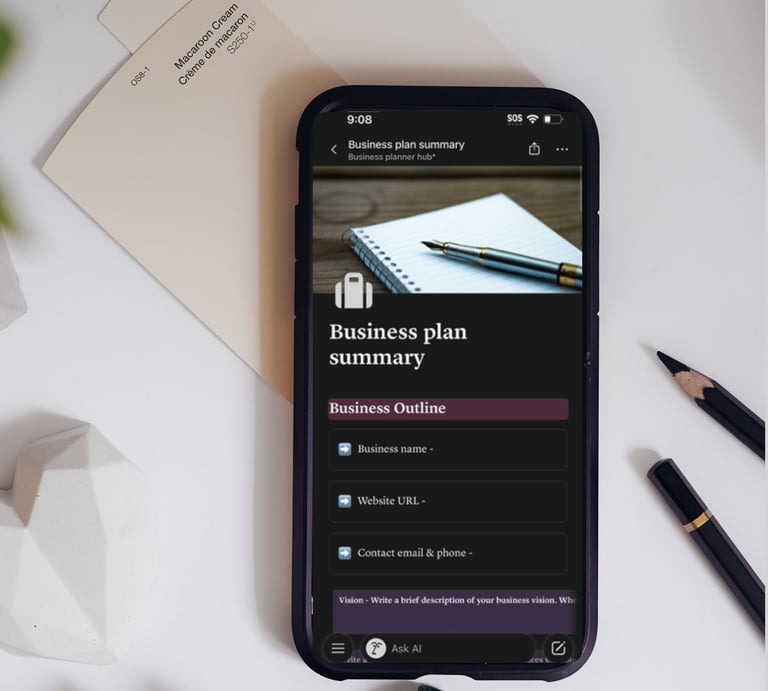
Professional organization requires balancing multiple projects, client relationships, and strategic initiatives. A business planner creates structure around revenue goals, project pipelines, and business development activities.
The key is connecting daily operational tasks with quarterly objectives and annual vision. Without this connection, busy-ness replaces actual business growth
.
Personal and Family Life
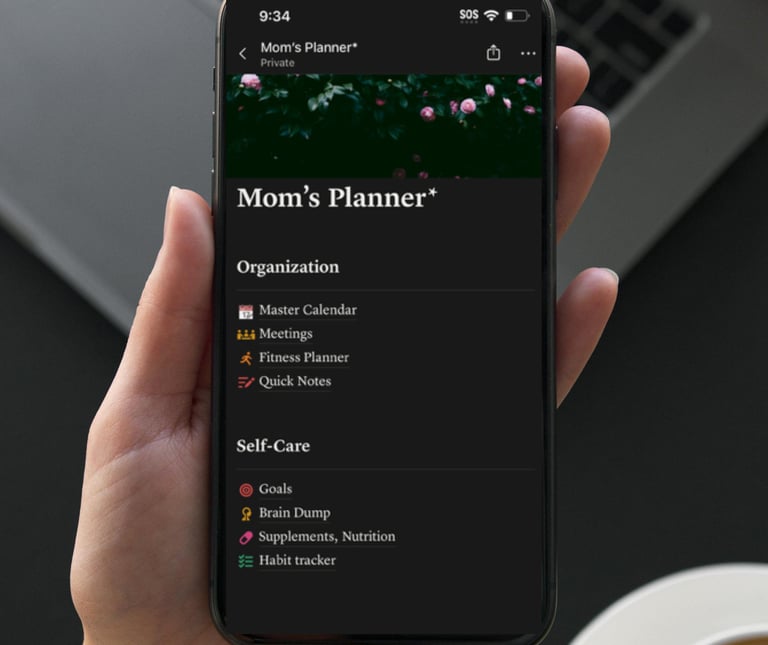
Organizing family life involves coordinating multiple people's schedules, needs, and priorities. A mom life planner or comprehensive family system helps track everything from meal planning to activity schedules without losing sight of personal goals and well-being.
Parents especially benefit from systems that protect time for self-care and personal development alongside family responsibilities. Organization should support wholeness, not just efficiency.
The Aesthetics of Organization
Beauty in organizational systems isn't superficial. Thoughtfully designed visual environments reduce cognitive load and increase the likelihood of consistent use. When something feels good to interact with, you return to it naturally.
Why Design Matters in Digital Planning
Your brain processes visual information constantly. Chaotic, cluttered interfaces create background stress even when you're not consciously aware of it. Clean, aesthetically pleasing systems with clear visual hierarchy allow you to focus on content rather than fighting with the interface.
The aesthetic Notion templates approach recognizes that function and beauty aren't opposing forces. They support each other. Beautiful systems get used. Used systems create results.
Customization Within Structure
Pre-designed templates provide structure while still allowing personalization. You might adjust colors, add specific databases relevant to your work, or incorporate unique tracking metrics. The foundation remains intact while the system adapts to your specific needs.
This balance between structure and flexibility prevents both the paralysis of blank pages and the overwhelm of infinite options.
Overcoming Common Organizational Barriers
Even with beautiful systems and clear intentions, obstacles arise. Understanding common barriers helps you navigate them rather than abandoning your organizational efforts entirely.
Digital Overwhelm and ADHD Considerations
For individuals with ADHD or attention challenges, traditional organizational advice often falls flat. Systems need to work with your brain, not against it. This might mean visual dashboards instead of text-heavy lists, or gamification elements that make task completion more engaging.
The principle remains: organize my life in ways that align with how I actually function, not how organizational gurus insist I should function. Practical organizing methods acknowledge diverse cognitive styles and needs.
Perfectionism and Starting
Perfectionism prevents many people from beginning organizational efforts at all. The system needs to be complete before implementing it, which means it never gets implemented. Starting with an imperfect system and refining it through use creates better outcomes than endless planning without action.
Maintaining Consistency Through Life Changes
Life shifts constantly. New jobs, relationships, moves, health changes, and unexpected circumstances disrupt even well-established routines. Resilient organizational systems accommodate change rather than requiring complete rebuilds every time circumstances shift.
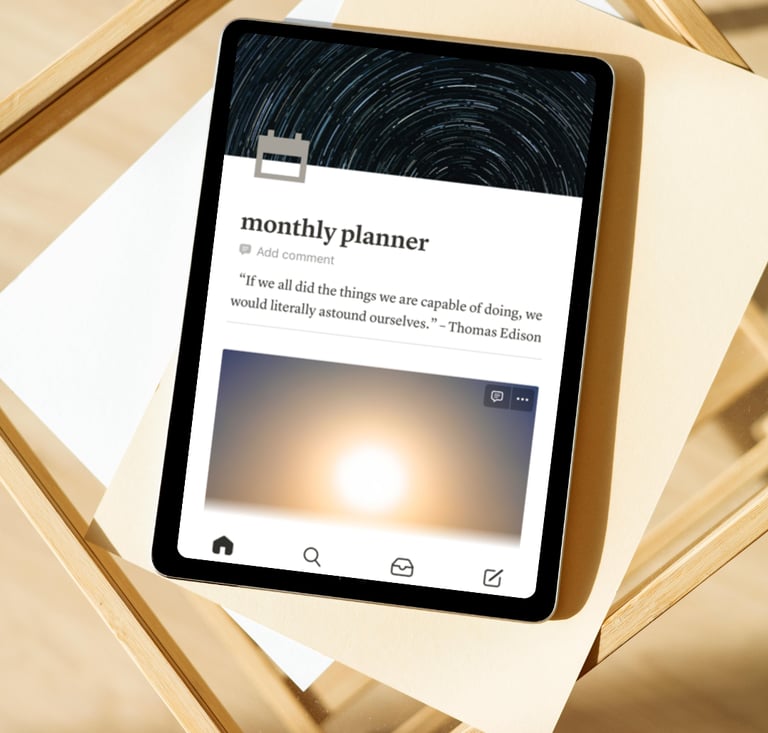
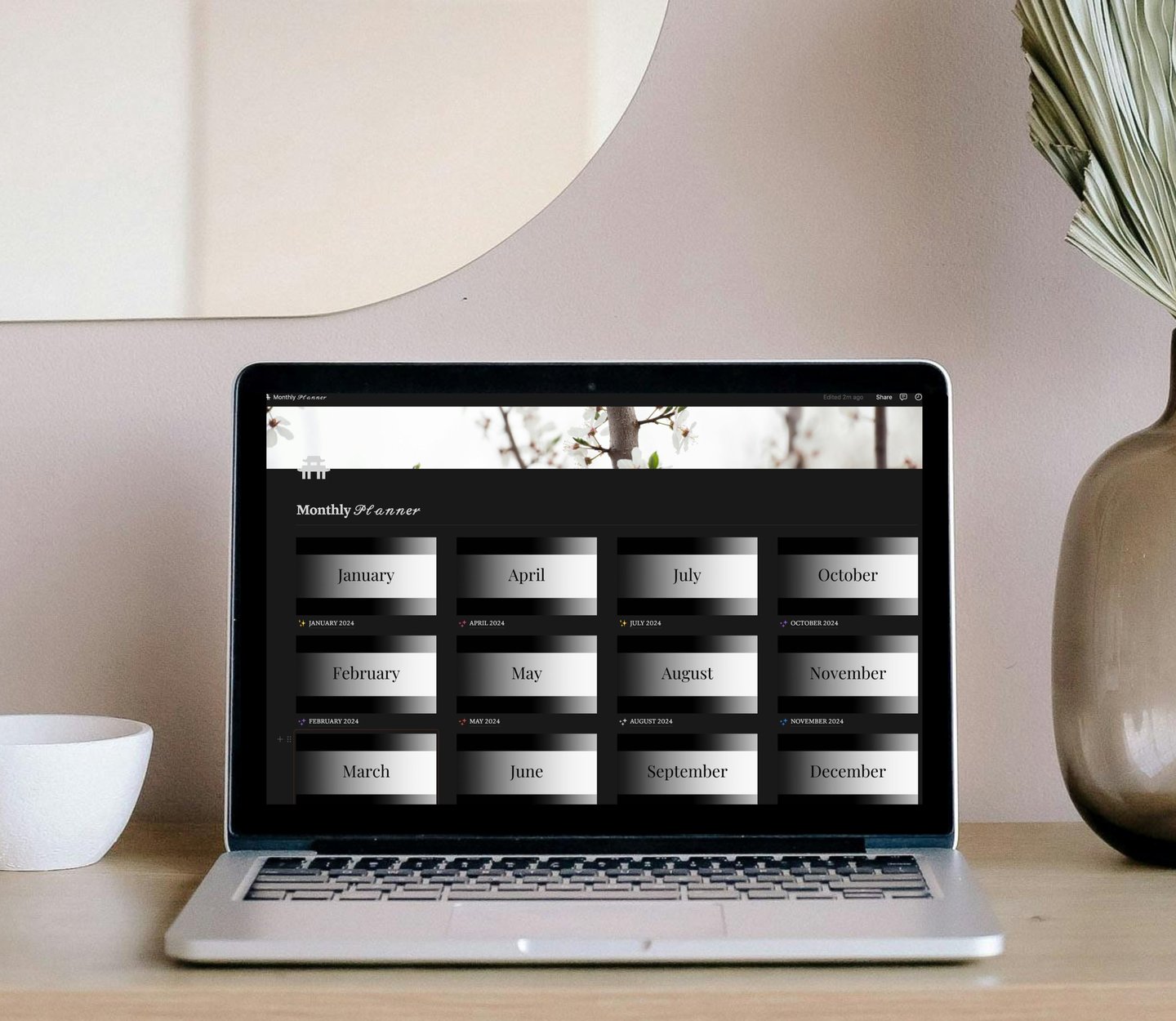
Build flexibility into your foundations. Use modular components that can be activated or paused based on current needs. A notion monthly planner allows you to focus on the current period without losing connection to longer-term direction.
Integration and Connection
The most effective organizational systems don't create separate silos for work, personal life, health, and creative pursuits. They recognize that these areas influence each other constantly. When work stress increases, health habits slip. When creative projects flourish, energy for other areas often increases.
Creating a Unified Planning Environment
A central dashboard that links to specialized areas creates coherent overview while maintaining necessary detail in specific domains. You can zoom out to see how everything connects or zoom in to focus on particular projects or goals.
This unified approach prevents the fragmentation that occurs when work planning happens in one tool, personal planning in another, and health tracking in yet another system. Switching between platforms drains energy and creates gaps where things fall through.
The Power of Linked Thinking
Modern digital tools allow connections between related information across different contexts. A project might link to relevant goals, related resources, and reflective notes about what you're learning. These connections create a knowledge system that grows more valuable over time rather than becoming cluttered archives.
Time-Based Organization Rhythms
Different planning rhythms serve different purposes. Daily planning manages immediate priorities. Weekly planning creates intentional momentum. Monthly and yearly planning maintain connection to larger vision and values.
Planning rhythm framework:
Daily: Capture new items, review today's priorities, reflect on what actually happened
Weekly: Review upcoming commitments, align tasks with goals, plan focus areas
Monthly: Assess progress on key goals, adjust systems as needed, celebrate wins
Quarterly: Strategic review of direction, major project planning, system overhaul if needed
Yearly: Vision setting, values clarification, life design decisions
A year planner by month provides structure for annual planning while connecting to shorter timeframes.
Beyond Organization to Aligned Living
Ultimately, the goal isn't organization for its own sake. It's creating life conditions where you can focus on what truly matters. When organizational infrastructure works smoothly in the background, you have attention and energy for meaningful work, creative expression, relationships, and personal growth.
The question shifts from "how do I organize my life" to "how do I want to experience my days." Organization becomes a tool for that experience rather than the end goal itself. This perspective prevents the trap of endless optimization that never leads to actual living.
Systems that connect organization with self-discovery and alignment support this deeper purpose. You're not just managing tasks more efficiently. You're creating space to understand yourself, pursue what matters, and move through days with greater presence and intention.
Organizing your life requires both practical systems and deeper reflection about what you're organizing toward. Beautiful, thoughtfully designed planning environments make this process less about discipline and more about natural return to spaces that support clarity. Aligned Life Planners offers curated Notion templates that combine aesthetic appeal with functional organization, saving you the time and energy of building systems from scratch while providing the structure needed for sustainable follow-through and meaningful self-discovery.